




The Federal Capital Territory Administration (FCTA) has taken decisive steps to strengthen Abuja’s infrastructure framework and improve fiscal discipline following the approval of several high-value development projects by the FCT Executive Committee (EXCO).
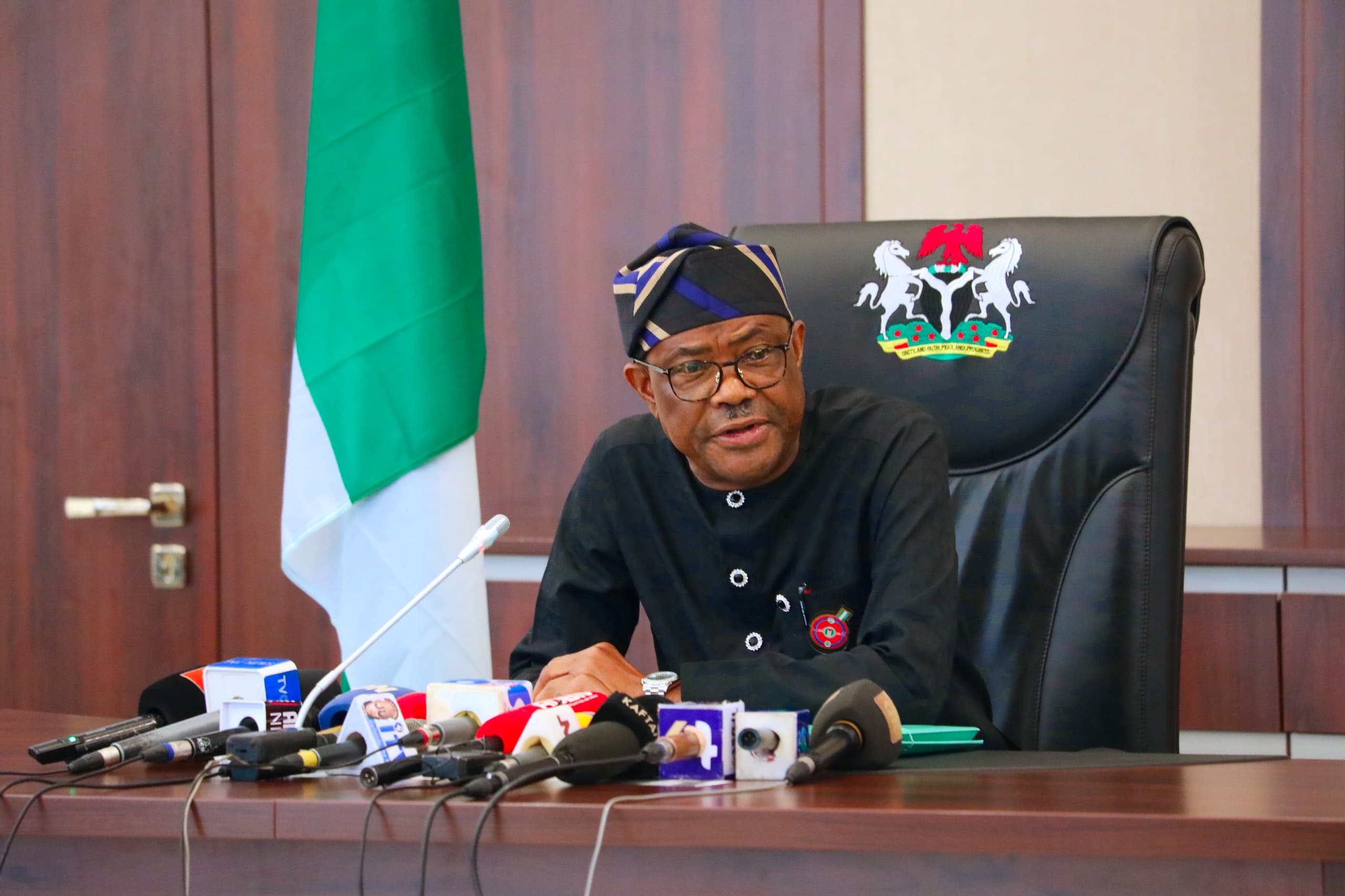
The approvals were granted at the first EXCO meeting of 2026, presided over by the Honourable Minister of the Federal Capital Territory, Barrister Ezenwo Nyesom Wike. The session was held at the Minister’s official residence in Life Camp, Abuja, and focused on critical sectors including transportation, water supply, education, and land administration.
Speaking to journalists after the meeting, the Executive Secretary of the Federal Capital Development Authority (FCDA), Engineer Richard Yunana Dauda, said the Council reviewed and formally ratified a number of emergency and priority projects undertaken to prevent infrastructure failure and address security concerns in key locations across the FCT.
One of the major projects approved was the rehabilitation and resurfacing of internal roads within the Presidential Villa. Engineer Dauda explained that the road network, which had suffered over three decades of deterioration due to constant use, required urgent attention to ensure continued functionality and safety.
The project, valued at ₦3.79 billion and executed by Julius Berger Plc, has now been completed. According to the FCDA boss, the intervention has significantly improved road conditions within the Villa and extended the operational lifespan of the access routes critical to national governance activities.
In another landmark decision, the EXCO ratified the award of a ₦9.8 billion contract for the construction of the Kabusa–Ketti road. The project was initiated as a security-driven response to recurring incidents of criminal activity, including kidnappings, along the corridor.
Engineer Dauda noted that the road project was fast-tracked, completed, and officially commissioned in June 2025. He added that the new road has improved access between communities, enhanced security presence, and supported economic movement within the area.
The Council also approved an emergency intervention aimed at safeguarding Abuja’s water supply system. This involved erosion control works and the rehabilitation of major water transmission pipelines from the Lower Usuma Dam, the city’s primary source of potable water.
The ₦1.7 billion project, handled by SCC Nigeria Limited, was described as critical in preventing a potential breakdown of water supply to large parts of the Federal Capital Territory. Engineer Dauda emphasized that timely execution of the project helped avert what could have become a major public utilities crisis.
On the education sector, the Secretary of the FCT Education Secretariat, Malam Danlami Hayyo, disclosed that EXCO approved a ₦62 million facility management contract for the Korea Model School in Abuja. The school, established in 2018 through a partnership between the South Korean government and the FCTA, is renowned for its advanced learning environment and technology-driven teaching methods.
Malam Hayyo explained that the FCTA has now fully assumed responsibility for the management of the institution to ensure its sustainability and continuous operation as a benchmark for quality basic education in the territory.
Beyond infrastructure development, the EXCO also resolved to enforce compliance with land-related financial obligations. The Director of Land Administration, Mr. Chijioke Nwankwoeze, announced that the Council approved renewed enforcement actions against landowners who have failed to meet statutory obligations, including payment of ground rents and approved land-use charges.
According to him, the decision follows the expiration of multiple notices and a grace period earlier granted to defaulters, particularly in high-value districts such as Wuse II and Garki Areas 7 and 8. He said many properties originally allocated for residential use were illegally converted to commercial purposes without official approval or payment of mandatory conversion fees.
Mr. Nwankwoeze explained that the FCTA had previously conducted a detailed review of such violations and, in some cases, regularized land-use changes in line with Abuja’s planning regulations. Letters of approval were issued to property owners with clear financial requirements attached.
“Despite repeated public notices and direct communication, compliance has remained low in some areas. The Council has therefore approved enforcement actions, which may include sealing of properties, revocation of titles, or other lawful sanctions,” he stated.
The Acting Chairman of the FCT Inland Revenue Service (FCT-IRS), Mr. Michael Ango, supported the enforcement decision, stressing that land-based revenues are essential for funding ongoing and future infrastructure projects across the FCT.
He urged all defaulters to promptly settle outstanding ground rents, Certificates of Occupancy (C of O) fees, and land-use charges to avoid legal consequences, noting that compliance directly supports sustainable urban development.
Earlier in the meeting, Minister Wike extended New Year greetings to members of the Executive Committee and reaffirmed the Administration’s determination to prioritize projects that directly improve the welfare of residents.
He assured that the FCTA would continue to pursue policies and investments that promote accountability, infrastructure growth, and effective service delivery across all parts of the Federal Capital Territory.
The meeting was attended by the Minister of State for the FCT, Dr. Mariya Mahmoud; the Head of Service of the FCT, Mrs. Nancy Sabanti Nathan; the Chief of Staff to the Minister; Mandate Secretaries; and senior officials of the FCT Administration.
