




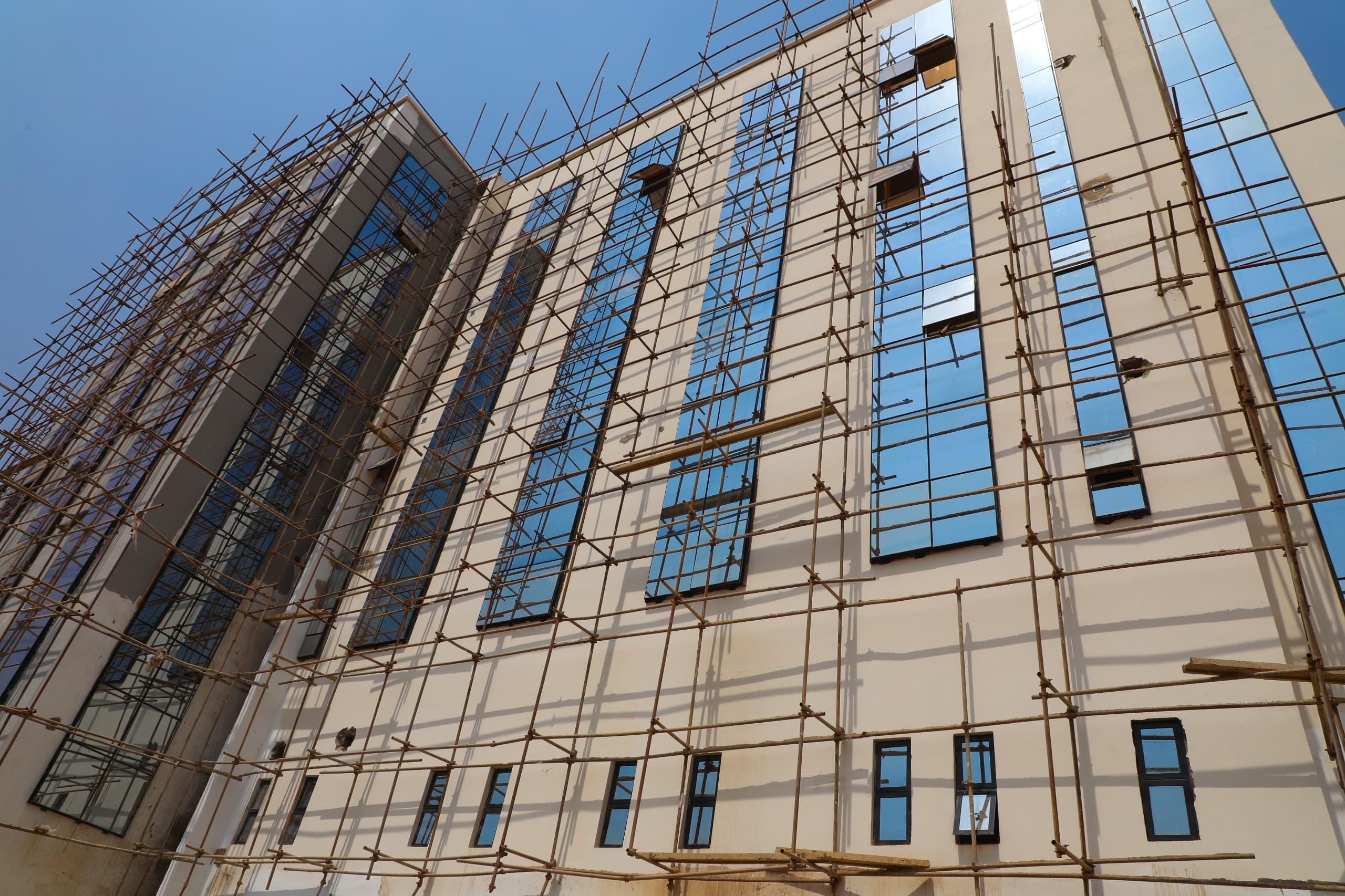
The Minister of the Federal Capital Territory (FCT), Barrister Ezenwo Nyesom Wike, has clarified that the ongoing construction of accommodation and office facilities for judicial officers in Abuja is designed to strengthen the justice system and not to undermine its independence.
The Minister made the clarification on Thursday, February 5, 2026, after inspecting several key judiciary projects across the capital city, including the Court of Appeal office complex in Dakibiyu, residential quarters for judges in Katampe, and official residences for Heads of Courts in Asokoro.
Wike explained that the investments are part of the government’s constitutional responsibility to provide adequate support and infrastructure for all arms of government, stressing that the judiciary cannot function effectively without a safe and conducive working environment.
According to him, providing accommodation for judicial officers is a welfare initiative aimed at improving productivity, safety, and professionalism within the sector. He noted that a secure living environment is critical for judges who handle sensitive cases that often involve high-profile individuals.
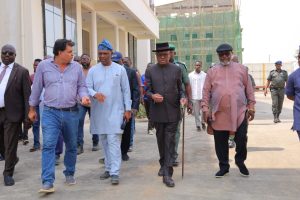
Project manager, Visible Construction Limited, Abdul Nasir
The Minister addressed concerns raised in some quarters that the projects could be interpreted as an attempt to influence the judiciary, describing such claims as unfounded. He emphasized that funding for the judiciary comes from the government and supporting the sector with infrastructure does not amount to interference in its operations.
He further observed that for years, there had been complaints about inadequate facilities for judicial officers, including poor housing conditions and security challenges. The current intervention, he said, is intended to correct those gaps and place the judiciary in a stronger position to deliver justice efficiently.
Wike also highlighted security concerns associated with the previous housing arrangements, noting that some judges had to live in open neighborhoods where they could unknowingly reside close to individuals whose cases were before them. He explained that the newly planned residences are designed to offer privacy, safety, and dignity for judicial officers.
Providing updates on the projects, the Minister revealed that the Court of Appeal complex in Dakibiyu is nearing completion despite minor setbacks experienced during the rainy season. He expressed optimism that the facility would be ready for commissioning in line with national activities marking the third anniversary of President Bola Ahmed Tinubu’s administration.
He added that construction is progressing steadily on 40 housing units in Katampe intended for judges of the FCT High Court, Court of Appeal, and Federal High Court. Plans are also underway for additional residential facilities for judges of the National Industrial Court.
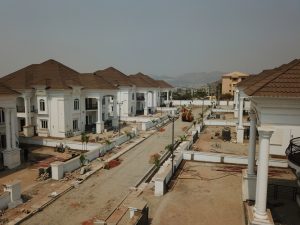
Similarly, the exclusive residences for Heads of Courts in Asokoro are expected to be completed within the year. The project, according to the Minister, will provide befitting accommodation for senior judicial officers, including those approaching retirement, ensuring continuity and stability within the justice system.
Wike described the projects as a significant step toward strengthening democratic institutions, noting that the judiciary remains a central pillar of governance and national stability. He reaffirmed the administration’s commitment to supporting the sector with modern infrastructure that reflects its importance in the nation’s development.
The Minister expressed confidence that the projects would enhance efficiency within the judiciary and improve public trust in the justice system. He also commended President Tinubu for prioritizing the welfare of judicial officers and approving initiatives aimed at addressing longstanding infrastructure deficits.
He assured residents of the Federal Capital Territory that the FCT Administration would continue to invest in projects that promote good governance, institutional growth, and improved service delivery.
The inspection exercise formed part of the administration’s broader strategy to strengthen critical institutions and ensure that Abuja remains a model capital with functional infrastructure across key sectors.
