



Nigeria’s evolving digital economy and the urgent need for inclusive growth formed the centrepiece of discussions at a high-level conference held on March 27, 2026, at the National Institute for Legislative and Democratic Studies (NILDS) in Abuja. The one-day event, organised through a strategic partnership between NILDS and the Chartered Institute of Financial and Investment Analysts of Nigeria (CIFIAN), brought together an influential mix of policymakers, regulators, academics, financial experts, and development stakeholders to deliberate on the theme: “Digital Economic Transformation and Inclusive Growth Challenges in Nigeria.” The conference reflected a growing national recognition that while digital innovation is accelerating economic opportunities, ensuring that these benefits reach all segments of society remains a critical challenge.

Declaring the conference open, the Director-General of NILDS, Professor Abubakar O. Sulaiman, delivered a comprehensive opening address that set the tone for the day’s deliberations. He emphasised that Nigeria is currently at a defining moment in its development trajectory, where digital technologies are not only reshaping global economies but also redefining how value is created, distributed, and sustained. According to him, the rapid expansion of financial technology, artificial intelligence, digital payment systems, and platform-based enterprises in Nigeria presents unprecedented opportunities for innovation and economic growth. However, he cautioned that these advancements do not automatically translate into inclusive development, noting that structural gaps in infrastructure, policy coordination, and access must be addressed deliberately.
Professor Sulaiman highlighted that the conference was both timely and necessary, particularly as Nigeria continues to navigate the complexities of digital transformation. He underscored the role of NILDS as the policy research and capacity-building arm of the National Assembly, stressing its commitment to promoting evidence-based policymaking and strengthening legislative governance. In his remarks, he made it clear that the success of Nigeria’s digital economy will depend heavily on forward-looking legislative and regulatory frameworks that balance innovation with public interest. Such frameworks, he argued, must not only encourage investment and technological advancement but also safeguard consumers and ensure that marginalised populations are not excluded from emerging opportunities.
The conference gained further depth with the keynote address delivered by the Director-General of the Securities and Exchange Commission, Dr Emomotimi Agama, who provided a detailed analysis of Nigeria’s digital economy and the challenges of achieving inclusive growth. He described the current moment as a “digital revolution” driven by data, fintech, and innovation, while also acknowledging the persistent issue of exclusion. Dr Agama pointed out that although Nigeria has emerged as Africa’s leading startup ecosystem, with over $1.2 billion raised in venture capital funding in 2024, a significant portion of the population remains disconnected from digital opportunities.
He highlighted the stark realities of Nigeria’s digital divide, noting that internet access is heavily concentrated in major urban centres such as Lagos, Abuja, and Port Harcourt, while millions of Nigerians, particularly in rural areas, remain unconnected. This imbalance, he warned, poses both economic and social risks, potentially leading to increased inequality and reduced national productivity. Dr Agama emphasised that bridging this gap will require comprehensive policy interventions, infrastructure development, and collaborative efforts across sectors.
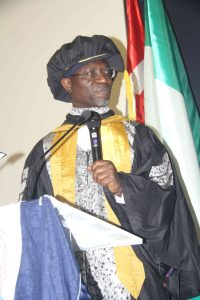
Also speaking at the event, the President and Chairman of the Council of CIFIAN, Professor Godfrey OmoJefe, expressed appreciation to NILDS for its collaboration and hospitality. He described the partnership as a significant milestone for the institute, noting that it would help position CIFIAN more prominently within Nigeria’s policy and economic landscape. In his remarks, he acknowledged the contributions of key stakeholders, including the Securities and Exchange Commission (SEC), and specifically recognised the Director-General of the SEC, Dr Emomotimi Agama, for his role in advancing discussions around digital finance and for agreeing to deliver the keynote address.
Professor OmoJefe provided insight into CIFIAN’s growth and institutional capacity, noting that since its establishment around 2012, the institute has developed a strong network of over 15,000 professionals, including academics, industry experts, and fellows. He emphasised that the institute’s mission is to strengthen financial and investment analysis in Nigeria and to encourage broader participation from professionals and stakeholders. His remarks also served as an invitation to participants to join the institute and contribute to its ongoing efforts to advance professional standards and economic development.
Expanding on the relevance of the conference theme, Professor OmoJefe described digital transformation as a subject that cannot be overlooked, particularly in a rapidly changing global environment. He stressed that while younger generations are naturally more adaptable to digital technologies, deliberate efforts must be made to extend these advancements to rural and underserved communities. According to him, achieving true inclusiveness will require coordinated action from the government, the private sector, and infrastructure providers. He pointed to the need for improved connectivity, better road networks, stable electricity supply, and expanded telecommunications infrastructure as critical enablers of digital participation across Nigeria.

Adding a broader regional and historical perspective to the discussion, the Chairman of the Board of Trustees of CIFIAN, Professor Jonathan Aremu, delivered a goodwill message, emphasising the importance of institutional collaboration in positioning Nigeria within the global economic landscape. He commended NILDS for its continued efforts to foster policy dialogue and capacity development, citing its recent collaboration with the United Nations Economic Commission for Africa (UNECA) on trade and investment development. Professor Aremo highlighted that such initiatives are essential for strengthening Nigeria’s role not only within Africa but also on the global stage.
Professor Aremu also drew attention to ongoing efforts toward regional economic integration, particularly within the Economic Community of West African States (ECOWAS). He noted his involvement in capital market integration initiatives aimed at enabling cross-border investments within the region. According to him, strengthening Nigeria’s participation in such frameworks is critical for unlocking broader economic opportunities. He further reflected on Nigeria’s initial hesitation to sign the African Continental Free Trade Area (AfCFTA) agreement, describing it as a missed opportunity that was later corrected. His remarks underscored the importance of proactive economic positioning and the need for Nigeria to take a leadership role in continental development initiatives.

In addition to the keynote and opening addresses, the event featured contributions from other key figures, including the Vice President of CIFIAN, Dr Adeka, who delivered the vote of thanks. He expressed appreciation to all participants and stakeholders for their support and emphasised the importance of continued collaboration in advancing the institute’s objectives. He also encouraged newly inducted fellows to actively contribute to the institute’s growth and to participate in ongoing discussions aimed at shaping Nigeria’s economic future.

Overall, the conference served as a significant platform for dialogue, bringing together diverse perspectives on one of the most critical issues facing Nigeria today. It highlighted both the immense potential of digital transformation and the urgent need to ensure that its benefits are shared equitably. By convening leading voices such as Professor Abubakar O. Sulaiman, Professor Godfrey OmoJefe, Professor Jonathan Aremu, Dr Emomotimi Agama, and Dr Adeika, the event underscored the importance of collective action in navigating the complexities of Nigeria’s digital future.
Through its comprehensive discussions and high-level participation, the conference not only set the stage for deeper engagement on digital economic policies but also reinforced the need for practical, inclusive, and forward-looking solutions. As Nigeria continues to embrace digital innovation, the conversations initiated at this gathering are expected to play a pivotal role in shaping policies that promote sustainable development, economic inclusion, and shared prosperity for all citizens.
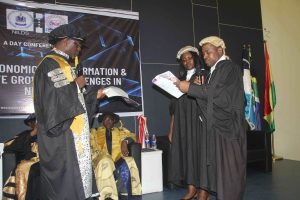
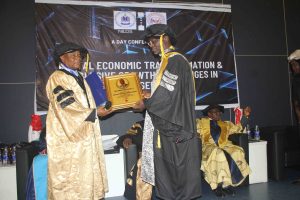
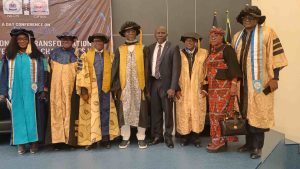
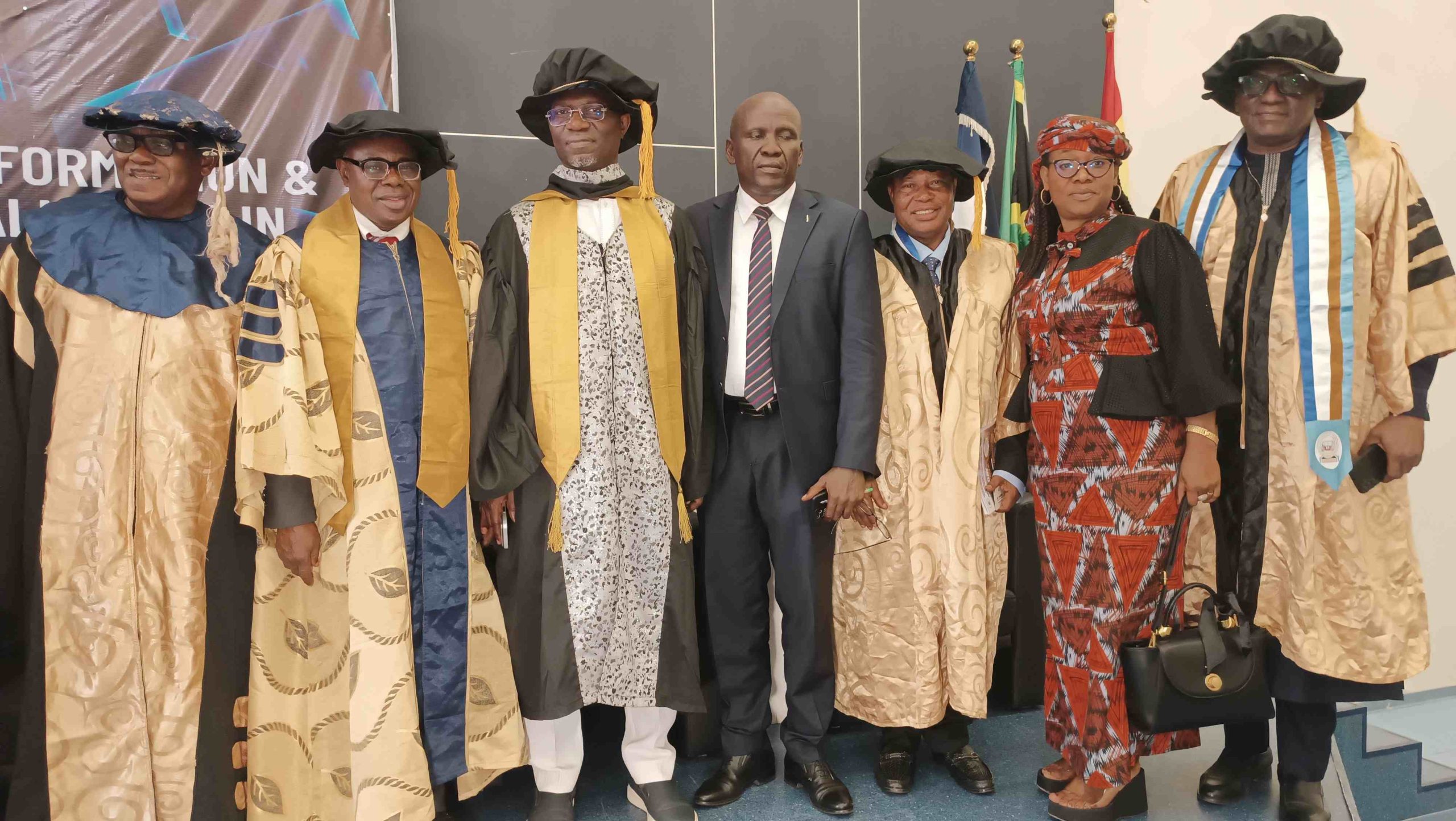
Pictorial of the event.