




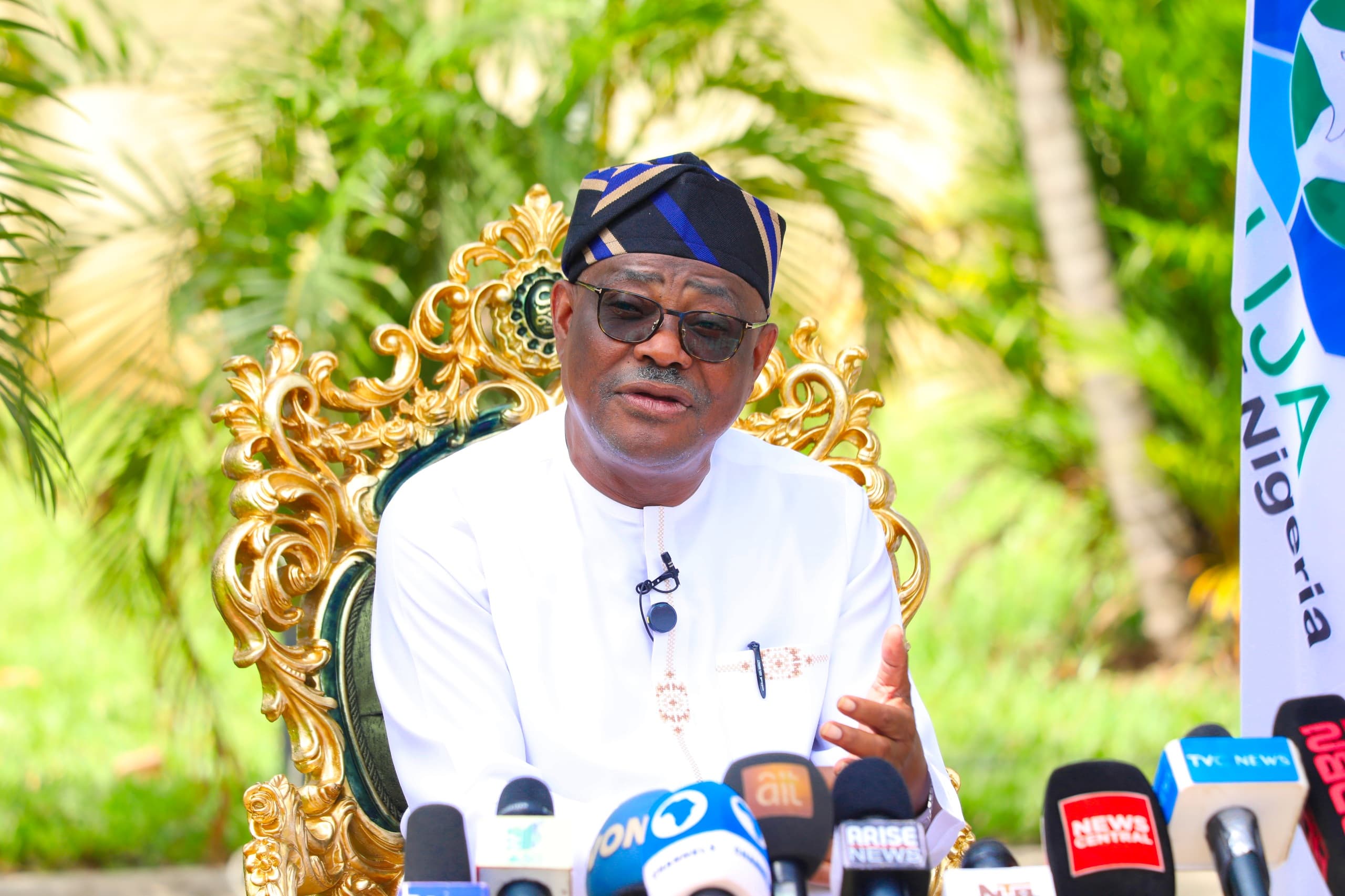
The Minister of the Federal Capital Territory, Barrister Nyesom Wike, has reiterated the federal government’s commitment to ensuring that indigenous residents of the FCT receive equal rights and opportunities as other Nigerians living in the nation’s capital, April 3, 2026. He said the administration is pursuing policies aimed at inclusion, recognition and equitable access to resources, driven by President Bola Ahmed Tinubu’s Renewed Hope Agenda.
Wike made the remarks during a media briefing in Abuja, where he outlined steps taken by the FCT Administration to integrate indigenous communities into governance and development planning. He said recent actions, including the elevation of traditional rulers and the issuance of Certificates of Occupancy (C of O) to original inhabitants, reflect a deliberate effort to address longstanding concerns about marginalization.
According to the minister, the government’s approach marks a shift from previous administrations, which he said did not sufficiently prioritize the welfare and recognition of indigenous populations. He noted that for the first time, indigenes are being actively considered for political appointments and administrative roles within the FCT structure.
Wike said the decision to elevate traditional institutions was based on their contributions to stability and grassroots governance. He described traditional rulers as critical partners in community development and conflict resolution, adding that their recognition strengthens the link between government and local communities.
He also emphasized the importance of land ownership rights for indigenous residents, questioning why those who originally inhabited the territory should be excluded from benefits associated with land administration in the capital. He said providing C of O documents to indigenes allows them to fully participate in the economic value of their land, similar to other residents who acquire property in Abuja.
“People come into Abuja, obtain land titles and benefit financially, but those who lived here before the capital was established have often been left out,” Wike said. “The government believes that must change.”
The minister said the response from indigenous communities has been positive, with many expressing support for the current administration’s policies. He added that increased representation in government positions has also contributed to a sense of inclusion among local populations.
Beyond land reforms and traditional leadership recognition, Wike outlined ongoing infrastructure projects aimed at reducing disparities between urban and rural areas within the FCT. He said the administration is investing heavily in road construction and water supply systems in satellite towns to improve connectivity and living standards.
“These projects are designed to open up rural communities and bring development closer to the people,” he said, noting that improved infrastructure would enhance economic activities and access to essential services.
Wike also addressed plans to relocate residents of Kpaduma village, located near Guzape, to the Wasa District. He said the relocation is part of a broader urban development strategy and assured affected residents that adequate infrastructure is being put in place to support a smooth transition.
On concerns about delays in ongoing projects, particularly in the Karu area, the minister maintained that work is progressing as scheduled. He said the project is expected to be completed in time for inauguration during the president’s third anniversary in office. He added that his regular site inspections are intended to ensure quality control and timely delivery by contractors.
In the education sector, Wike disclosed that contracts have been awarded for the renovation of more than 200 schools across the FCT. He said similar attention is being given to healthcare facilities, with upgrades aimed at improving service delivery.
The minister also highlighted efforts to address security challenges, particularly incidents involving “one chance” robbery syndicates. He said increased collaboration with security agencies and additional support from the FCT Administration have led to a noticeable reduction in such crimes.
While acknowledging that crime cannot be entirely eliminated, Wike said authorities are focused on strengthening preventive measures and enhancing response capabilities. He added that the introduction of new bus terminals across the territory is expected to reduce the activities of illegal transport operators and improve commuter safety.
“These terminals will provide a structured transport system and help curb criminal activities associated with unregulated operations,” he said.
Wike urged residents to support government initiatives by fulfilling their tax obligations, stressing that federal allocations alone are insufficient to meet the territory’s growing infrastructure needs. He also encouraged citizens to hold public officials accountable to ensure transparency and efficiency in governance.
On national political issues, the minister dismissed allegations that his role within the Peoples Democratic Party is intended to undermine the party. He said his actions are guided by legal frameworks and party rules, adding that internal democracy remains essential for the party’s stability.
He reaffirmed his support for President Tinubu, stating that his position is based on confidence in the administration’s policy direction. Wike said he intends to back the president in future elections, citing alignment with the Renewed Hope Agenda.
Addressing recent security incidents in Plateau State, the minister cautioned against politicizing tragedies. He commended the president for visiting affected communities and showing empathy, while emphasizing that security is a shared responsibility among federal, state and local authorities.
“The president is the commander-in-chief, but security also requires cooperation at all levels of government,” he said, calling on local leaders to take proactive measures in addressing security challenges.
Wike concluded by reaffirming the administration’s commitment to inclusive development in the FCT, stating that policies will continue to focus on fairness, infrastructure growth and improved living conditions for all residents, particularly indigenous communities.
