




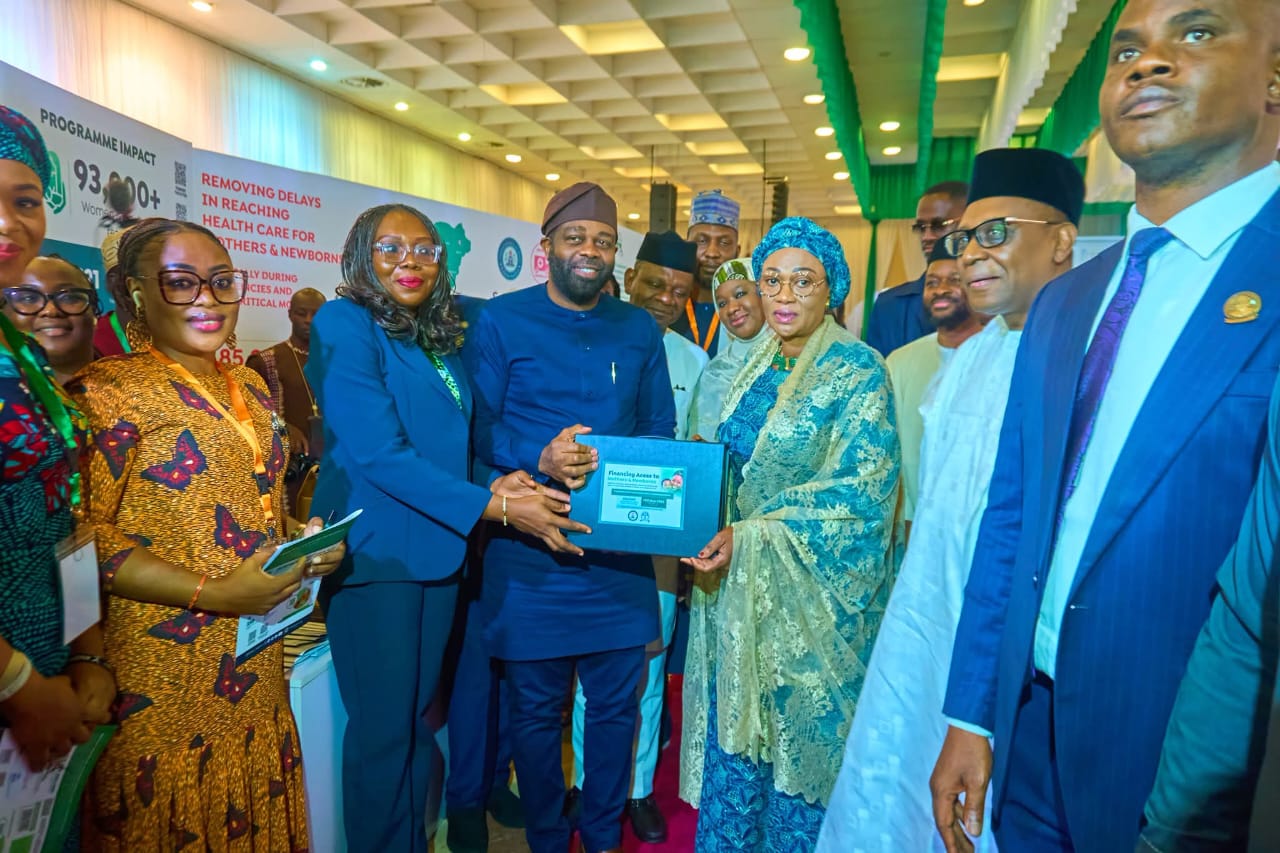
Nigeria has stepped up efforts to reduce preventable maternal and newborn deaths with the launch of a new package of incentives under the Maternal and Neonatal Mortality Reduction Innovation Initiative (MAMII).
The initiative, flagged off by the First Lady, Senator Oluremi Tinubu, CON, at the State House Banquet Hall in Abuja, is designed to encourage more pregnant women and new mothers to access essential healthcare services at the right time.
At the centre of the new intervention is an effort to address practical barriers that prevent vulnerable women from receiving antenatal, delivery, and postnatal care. These barriers can include financial difficulties, transportation challenges, lack of essential supplies and other social and logistical constraints.
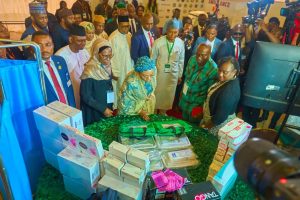
The new incentives include 215,000 Mama Kits and bags, 40,000 maternal food-support packs and 40,000 sets of essential newborn clothing for vulnerable women and families.
The Federal Government says the package is intended to encourage timely antenatal care, skilled attendance during childbirth and appropriate postnatal follow-up.
Maternal and newborn health remains a major public health concern in Nigeria. For many families, accessing appropriate care during pregnancy and childbirth can be complicated by distance, cost and limited resources.
MAMII was developed against this background, focusing on increasing the use of essential maternal and newborn health services while supporting interventions aimed at preventing avoidable deaths.
The latest incentives are therefore designed not simply as material assistance but as an encouragement for women to engage with the healthcare system throughout pregnancy and after delivery.
The strategy recognises that improving health outcomes requires more than building or equipping health facilities. Women must also be able and willing to access those services when they are needed.
By reducing some of the immediate economic and logistical pressures facing vulnerable families, the programme seeks to make that access easier.
The flag-off ceremony also gave government officials and development partners a chance to showcase progress under Nigeria’s wider maternal and newborn health interventions.
During an exhibition at the State House, the First Lady toured displays highlighting programmes implemented by the Federal Ministry of Health and Social Welfare and its partner agencies.
The Coordinating Minister of Health and Social Welfare, Prof. Muhammad Ali Pate, and the Minister of State for Health, Dr Iziaq Kunle Salako, led the exhibition.
Representatives of the National Primary Health Care Development Agency (NPHCDA), National Health Insurance Authority (NHIA), Nigeria Emergency Medical Service and Ambulance System (NEMSAS) and the Sector-Wide Approach (SWAp) Coordination Office also presented updates on their respective interventions.
According to the figures presented, NPHCDA interventions have revitalised nearly 4,000 health facilities.
The agency has also recruited more than 15,000 community-based health workers, while nearly 120,000 frontline health workers have undergone retraining
These investments matter because primary healthcare facilities and frontline workers are often the first point of contact for pregnant women, mothers, and newborns, particularly in rural and underserved communities.
The National Health Insurance Authority has also targeted financial barriers to emergency obstetric care.
Under the Comprehensive Emergency Obstetric and Newborn Care (CEmONC) programme, 60,000 women have reportedly received free Caesarean sections and emergency obstetric services
In addition, more than 6,000 women have received free corrective fistula treatment.
For families facing complications during childbirth, the availability of emergency services can be critical. Delays in obtaining treatment can increase the risk of severe complications for both mothers and babies.
Expanding financial support for essential interventions is therefore an important part of the broader strategy to reduce preventable maternal deaths.
Emergency transportation and timely medical intervention are another part of the MAMII response.
The Nigeria Emergency Medical Service and Ambulance System (NEMSAS) has reached more than 85,000 women across MAMII local government areas between July 2025 and the date of the flag-off, according to the programme’s reported figures.
Emergency medical transportation is particularly important when women need urgent referral from primary health centres to facilities with greater capacity.
A functional referral system can help reduce delays between the onset of complications and access to appropriate medical treatment.
However, the long-term impact of such interventions will depend on consistent funding, effective coordination, adequate staffing and the availability of functioning healthcare facilities capable of receiving referred patients.
Prof. Pate explained that the need to prevent pregnancy-related complications and reduce avoidable deaths was one of the factors behind the creation of MAMII.
He highlighted the progress recorded through the initiative and credited President Bola Tinubu’s administration for its attention to the health sector.
The First Lady, in turn, commended the milestones achieved under the Coordinating Minister’s leadership and reiterated the importance of sustained efforts to improve maternal and newborn health.
The event brought together stakeholders from different levels of government and across Nigerian society, including representatives of the Association of Local Governments of Nigeria (ALGON), religious and traditional leaders, government agencies and development partners.
International partners, including **UNICEF, UNFPA, WHO and the Gates Foundation**, also reaffirmed their support for efforts to accelerate progress in reducing preventable maternal and newborn deaths.
The new incentives represent another layer in Nigeria’s broader response to maternal and neonatal mortality. Their success, however, will ultimately be measured by health outcomes rather than the number of items distributed.
For the programme to produce lasting results, incentives must be matched by reliable healthcare facilities, skilled personnel, emergency transport, affordable treatment and effective referral systems.
Equally important is ensuring that support reaches the women and families who need it most, particularly those living in underserved communities.
The scale of the figures presented at the Abuja event demonstrates significant investment in the health system. The challenge now is sustaining that investment and ensuring that improvements at the national level translate into better experiences and outcomes for women in communities across Nigeria.
The launch of the latest MAMII package therefore marks both an achievement and a reminder of the work ahead. With government agencies, communities, and international partners working together, the initiative offers an opportunity to strengthen Nigeria’s maternal and newborn health system and reduce deaths that can be prevented through timely, quality care.
MAMII stands for the Maternal and Neonatal Mortality Reduction Innovation Initiative. It supports efforts to increase access to essential maternal and newborn healthcare and reduce preventable deaths.
The new package includes 215,000 Mama Kits and bags, 40,000 maternal food-support packs and 40,000 sets of essential newborn clothing for vulnerable women and families.
According to the figures presented at the event, almost 4,000 health facilities have been revitalised through NPHCDA interventions.
The NHIA reported that 60,000 women have received free Caesarean sections and emergency obstetric services through its CEmONC programme.
NEMSAS provides emergency medical and ambulance services to help women access timely care, particularly when urgent referrals are required.
The programme involves government institutions, communities and development partners, including UNICEF, UNFPA, WHO and the Gates Foundation.
More support for mothers and newborns. From revitalised health facilities and retrained frontline workers to free emergency obstetric services and ambulance support, Nigeria is expanding interventions aimed at reducing preventable maternal and neonatal deaths. Follow WinningTeamTV for the full story.
