




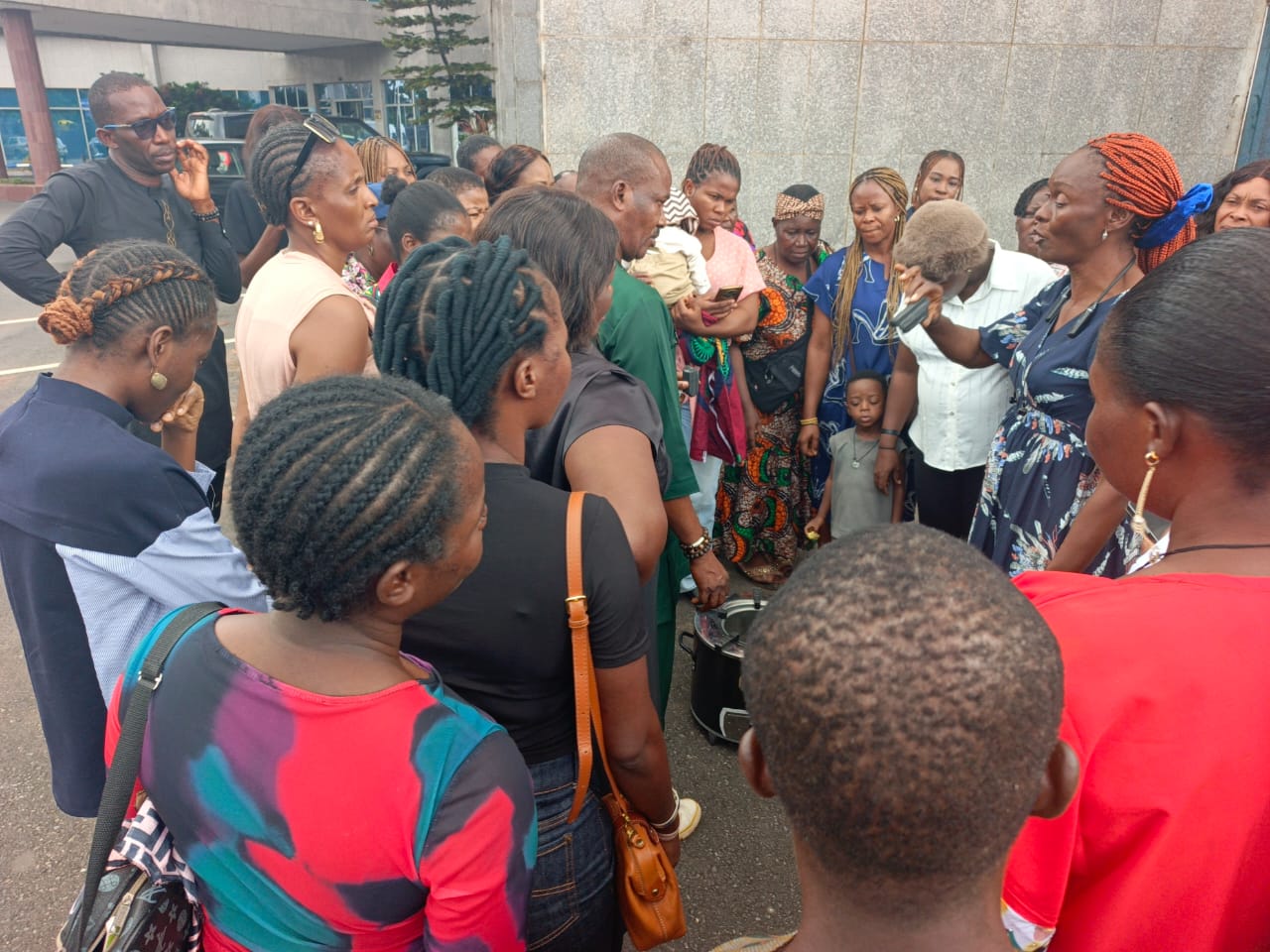
At least 300 women in Enugu State are set to benefit from a clean cooking entrepreneurship programme designed to improve livelihoods, reduce reliance on polluting fuels and expand women’s participation in Nigeria’s growing clean energy economy.
The three-day training, organised by Clean Tech Innovation Hub, CTIH, with support from the German Agency for International Cooperation, GIZ, focuses on practical business skills, clean cooking technologies and opportunities within local energy value chains.
According to a statement by Daramfon Bassey, Head of Energy Access at CTIH, the workshop began on Tuesday and is expected to conclude on Thursday under the GIZ Clean Cooking Scale-Up Project.
The programme targets women in rural and peri-urban communities, especially those who still depend on firewood, charcoal and kerosene for household or commercial cooking.
Many of the participants are also involved in small-scale food businesses and other income-generating activities, making the training relevant both to household welfare and entrepreneurship.
Bassey said the programme was designed to move women beyond being only users of clean cooking technologies and help them become active participants in the sector.
Participants are receiving training in areas such as briquette production, business planning, access to finance, clean cookstove use and maintenance, and local supply chain development.
They will also engage directly with clean cooking technology providers to better understand available products, services, and possible business opportunities.
The Enugu workshop follows a similar training held in Kano State from August 18 to August 20 as part of the broader project.
According to CTIH, stakeholder engagements in Enugu identified women as among the most important decision-makers in household and commercial cooking, while also highlighting major gaps in access to cleaner, more affordable alternatives.
The organisation believes that combining technical knowledge with entrepreneurship training could help participants build businesses around cleaner cooking solutions.
For many Nigerian households, traditional fuels such as firewood and charcoal remain an important part of daily life because they are widely available and often considered cheaper than cleaner alternatives.
However, heavy dependence on these fuels can contribute to indoor air pollution, environmental degradation and long-term health concerns, particularly for women and children who spend more time around cooking areas.
Clean cooking technologies are intended to reduce those risks by promoting more efficient fuels and equipment.
But affordability remains a major factor.
Even where cleaner technologies exist, many households may struggle with the initial cost of cook-stoves, fuel availability, or maintenance. This makes local production, financing options and stronger distribution networks essential if clean cooking is to become widely adopted.
The CTIH programme therefore places emphasis not only on awareness, but also on creating business opportunities that can make clean cooking products more accessible.
One of the areas covered in the programme is briquette production.
Briquettes can be produced from certain agricultural and organic materials and used as an alternative cooking fuel. For participants, this could open opportunities in small-scale manufacturing, sales and distribution.
Bassey said the training demonstrates that clean cooking should not be seen only as an environmental or health intervention.
It can also create new income streams for women, particularly where local demand exists, enabling participants to develop sustainable business models.
The final sessions of the Enugu workshop are expected to focus on practical next steps for participants and opportunities to remain engaged in the clean cooking ecosystem.
The initiative comes at a time when many households are facing rising living costs and increasing pressure to find more efficient ways of meeting basic energy needs.
For women operating food businesses, reducing fuel costs and gaining access to safer cooking technologies could improve productivity and profitability.
There is also a wider economic opportunity. If more Nigerians begin producing, distributing and maintaining clean cooking technologies locally, the sector could support small businesses, technical jobs and new supply chains.
The challenge will be ensuring that training leads to lasting results.
Participants will need continued access to finance, markets, technology providers, and affordable equipment for the skills acquired during the workshop to translate into viable businesses.
For now, the Enugu program provides 300 women with a starting point to explore opportunities at the intersection of clean energy, entrepreneurship and community development.
