




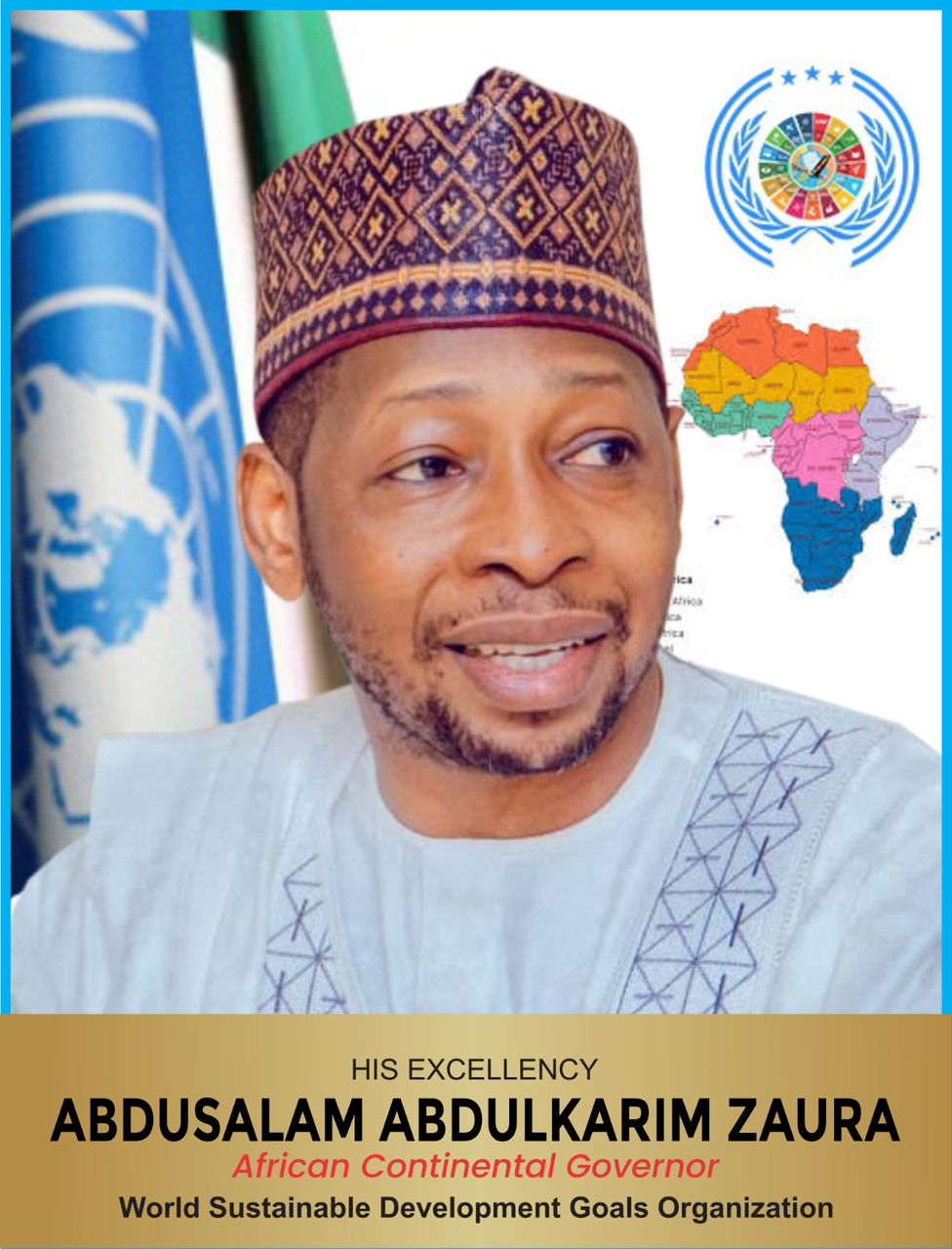
The World Sustainable Development Goals Organisation (WSDGO), an international non-governmental organisation supporting the implementation of the United Nations Sustainable Development Goals, has called on Nigerians to embrace patriotism, peace and national unity as essential tools for national development and security.
The call was made on Tuesday in Abuja by Abdussalam Zaura, the newly appointed African Continental Governor of the organisation, during a news conference focused on promoting civic responsibility and national cohesion across Nigeria and other African countries.
Zaura stressed the need for stronger patriotic values among citizens, warning that anti-national activities, misinformation and declining civic responsibility could threaten peace and stability in the country.
According to him, patriotism remains one of the strongest foundations for sustainable development, peaceful coexistence and national progress.
“There is no nation that can survive without patriotism,” Zaura said. “National consciousness, civic responsibility and respect for national institutions are important for building a peaceful and progressive society.”
He announced plans by the organisation to launch a nationwide National Security and Patriotism Campaign aimed at promoting unity, encouraging responsible citizenship and strengthening public participation in peacebuilding efforts.
The initiative, expected to run for five months, will focus on educating young Nigerians about patriotism, leadership, discipline and the sacrifices made by the nation’s security personnel.
Zaura said the campaign would also promote stronger civil-military relations, combat misinformation and encourage positive engagement between citizens and security institutions.
According to him, the programme will be implemented in several states, including Kano, Kaduna, Taraba, Zamfara, Benue, Kogi, Kwara, Edo, Anambra, Enugu, Rivers, Lagos, Oyo, Adamawa and Kebbi.
The organisation plans to partner with key stakeholders such as the Ministry of Defence, retired military officers, governors, traditional rulers and senior security officials to ensure the success of the campaign.
“Our goal is to inspire young people to become responsible citizens who contribute positively to national development and peace,” Zaura said.
He added that the campaign would target university students, senior secondary school students, youth groups and community organisations, with plans to establish Patriotism Clubs in participating states.
The initiative will also include educational programs designed to strengthen leadership skills, civic awareness and respect for national values among young people.
Zaura explained that the campaign was developed in response to growing concerns over insecurity, youth involvement in violence, misinformation and declining trust in public institutions.
He urged Nigerians to support efforts aimed at promoting peace, responsible community engagement and stronger cooperation with security agencies.
The African Continental Governor also emphasized the importance of intelligence awareness and community-based reporting in addressing security challenges across the country.
According to him, citizens must play active roles in protecting their communities by sharing useful information with relevant authorities and discouraging criminal activities.
Zaura further called for sustained national efforts to address arms proliferation, youth violence and social unrest while encouraging constructive dialogue and peaceful coexistence.
He noted that his appointment as African Continental Governor comes with the responsibility of promoting sustainable development, peacebuilding and security awareness across African nations.
The organisation expressed confidence that the proposed campaign would help nurture patriotic citizens, strengthen national unity and contribute to building a more peaceful and resilient Nigeria.
Analysts say initiatives focused on civic education, youth engagement and community participation could help improve social stability and strengthen trust between citizens and institutions, especially in areas affected by insecurity and social tension.
