



By DSC AS Duza, ANIPR
Public Relations Officer, FCT Command.
The Medium Security Custodial Centre (MSCC), Kuje, Federal Capital Territory (FCT) Command, has received high commendation from Heads of Correctional Services across Africa for its operational efficiency, technology-driven processes, and inmate rehabilitation programmes.
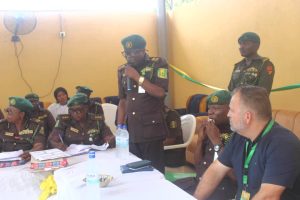
The commendation came on Monday during a learning exchange visit by delegates attending the African Correctional Services Association (ACSA) Regional Conference, hosted by the Nigerian Correctional Service (NCoS). The visit formed part of the conference’s practical sessions designed to expose participants to Nigeria’s correctional reforms and operational best practices.
Leading the delegation, the Deputy Chairman of the ACSA West African Region, Mr. Sabila Sawadogo, applauded the Centre’s adherence to international correctional standards following an extensive inspection of its operations.
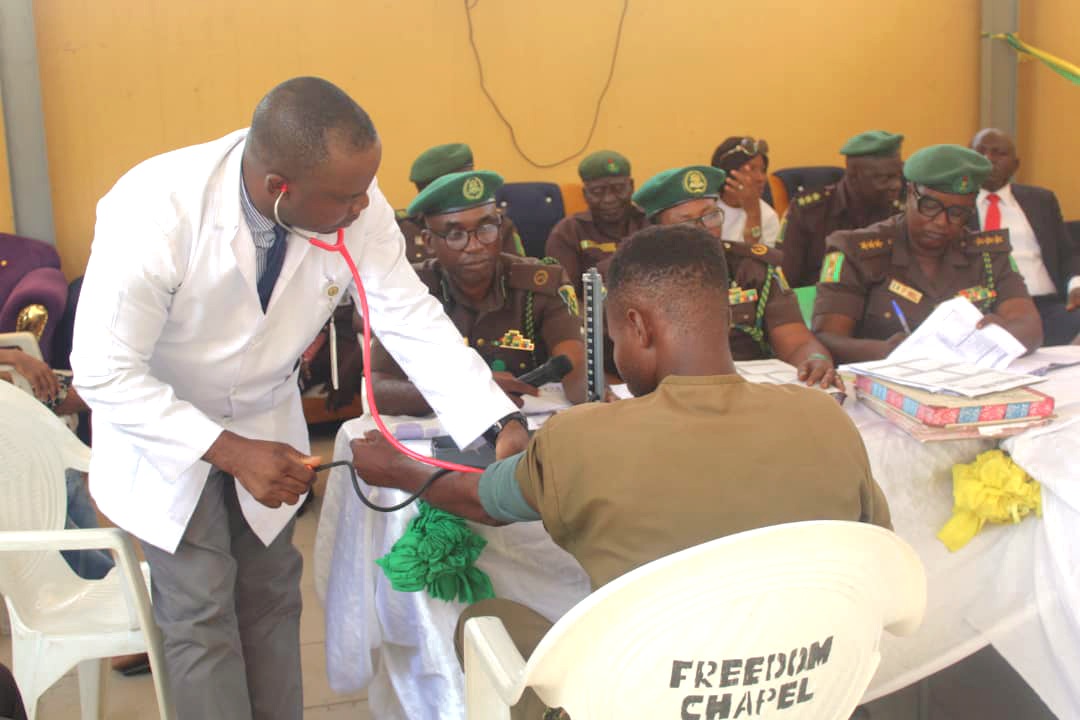
The delegation observed inmate admission procedures, biometric enrolment through the Correctional Information Management System (CIMS), the control room, educational facilities, vocational training centres, and rehabilitation programmes.
Mr. Sawadogo described the facility as a clear demonstration of modern correctional administration, noting that its emphasis on technology, rehabilitation, and skills development reflects global best practices in corrections.
He commended the Hon. Minister of Interior, Dr. Olubunmi Tunji-Ojo and the Controller General of Corrections, Sylvester Ndidi Nwakuche, MFR, mni, for their commitment to transforming the Centre into a modern correctional institution focused on reformation, rehabilitation, and successful reintegration.
Welcoming the delegates, the FCT Controller, Peter Jen expressed appreciation for the visit and reaffirmed the Nigerian Correctional Service’s commitment to advancing correctional excellence through innovation, rehabilitation, and international collaboration.
He provided an overview of the Centre’s operations, highlighting its inmate education and vocational empowerment initiatives designed to equip persons in custody with employable skills for productive reintegration into society. Delegates were also taken through workshops where inmates demonstrated practical skills in tailoring, cap and shoe production, bag making, carpentry, ICT, building technology, and solar installation.
In attendance for the learning experience were delegates from eleven countries. The visit underscored the growing commitment of African correctional leaders to strengthening regional cooperation, promoting knowledge exchange, and advancing evidence-based correctional practices across the continent.