




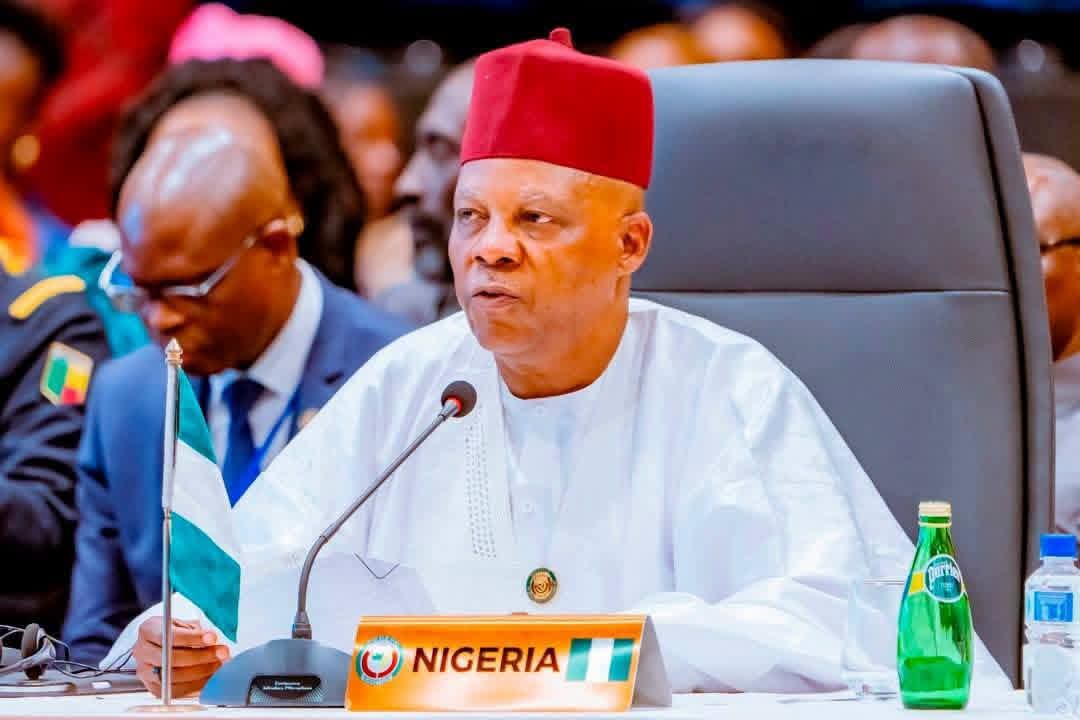
Vice President Kashim Shettima has begun a two-week leave approved by President Bola Ahmed Tinubu, marking his first official break since the administration was inaugurated on May 29, 2023.
The leave commenced on Thursday, August 6, 2026, according to a State House statement supplied to WinningTeamTV. The Presidency said Shettima would use the period for study, reflection and intellectual renewal ahead of his return to official duties.
The announcement comes as the Federal Government seeks to intensify the implementation of its economic and social programmes under the Renewed Hope Agenda. It also draws attention to the Vice President’s coordinating responsibilities in areas that directly affect Nigerians, including food security, job creation, economic policy and humanitarian intervention.
For many citizens, the development is less about the personal break of one office-holder and more about continuity at the highest level of government. The key public-interest questions are whether major programmes will continue without disruption and which priorities Shettima will focus on when he resumes work.
The State House said the Vice President would devote part of the two-week period to reviewing ongoing government programmes and studying emerging national and international policy issues. It described the leave as an opportunity for Shettima to strengthen his capacity for continued public service.
The statement did not suggest that the Vice President was taking time away because of illness or a political disagreement. Instead, it presented the break as planned leave approved by the President and confirmed that Shettima would return to his responsibilities after the two-week period.
That clarification is important because the temporary absence of a senior government official can generate speculation, particularly within Nigeria’s highly active political environment. In this case, the Presidency’s position is straightforward: Shettima is taking his first official leave in more than three years and is expected to resume with renewed focus.
However, the practical value of the period will ultimately be judged by what follows. Nigerians dealing with high living costs, food-price pressures, unemployment and other economic challenges are likely to be more interested in improved coordination and measurable policy results than in the language used to describe the Vice President’s period of reflection.
Since assuming office, Shettima has been involved in government programmes covering economic development, food security, humanitarian affairs, digital transformation, job creation and regional cooperation.
His official profile shows that he has a background in agricultural economics and banking. Before becoming Vice President, he served as a commissioner in Borno State, governor of the state between 2011 and 2019 and later as a member of the Nigerian Senate.
One of Shettima’s most visible responsibilities is chairing the National Economic Council. The council brings together governors of the 36 states, the governor of the Central Bank of Nigeria and other relevant officials to consider economic issues and advise the President.
That coordinating role is significant because many of Nigeria’s most urgent problems require cooperation between federal and state governments. Food production, healthcare, social protection, transportation and business regulation are influenced by policies developed in Abuja and decisions implemented by state and local authorities.
Recent National Economic Council discussions have focused on issues including non-oil revenue, private-sector investment and the preparation of the Renewed Hope Plan for 2026–2030.
The Federal Government says the proposed development plan is intended to improve policy continuity, accelerate job creation, strengthen food security, expand infrastructure and provide better social protection. It is expected to connect the administration’s current reforms to the longer-term goals set out in Nigeria Agenda 2050.
These priorities affect ordinary Nigerians directly. Decisions on food production can influence market prices, while policies supporting small businesses and private investment can affect employment opportunities, household income and the survival of enterprises operating in a difficult economic environment.
Shettima’s return will therefore come with expectations that the National Economic Council will move beyond policy discussions and produce coordinated actions that citizens can see and measure. Announcing plans is important, but their real value depends on implementation across the federation.
The Vice President has also represented Tinubu at major regional and international meetings, promoting Nigeria’s positions on trade, security, economic integration, investment and sustainable development.
In July 2026, Shettima travelled to Freetown, Sierra Leone, to represent the President at the 69th Ordinary Session of the ECOWAS Authority of Heads of State and Government. He has also represented Nigeria at African Union meetings and other international engagements.
Such assignments add to the workload of the Vice President’s office, particularly when combined with domestic committees and policy responsibilities. However, the number of meetings attended should not be treated as the main measure of performance.
Nigerians ultimately assess government through changes in their everyday lives: whether food becomes more affordable, businesses operate more easily, young people gain access to productive employment and vulnerable communities receive effective assistance during emergencies.
Public officials are entitled to reasonable periods of rest, especially after sustained workloads. A properly managed leave can support better judgement and reduce fatigue, provided that responsibilities are clearly assigned and government programmes continue without interruption.
Transparency is equally important. By announcing the leave, its duration and its stated purpose, the Presidency has given the public a basic explanation for the Vice President’s absence. Clear communication can reduce rumours and help citizens distinguish an approved break from an unexplained absence.
The temporary leave should not disrupt government, as ministries, agencies, and statutory councils are expected to function through established institutions. Effective governance should not depend entirely on the daily physical presence of one official.
When Shettima returns, attention will quickly shift back to the administration’s policy record. Claims of renewed energy and commitment will carry greater meaning when matched by stronger economic coordination, transparent decisions and results that improve security, productivity and living conditions across Nigeria.
