




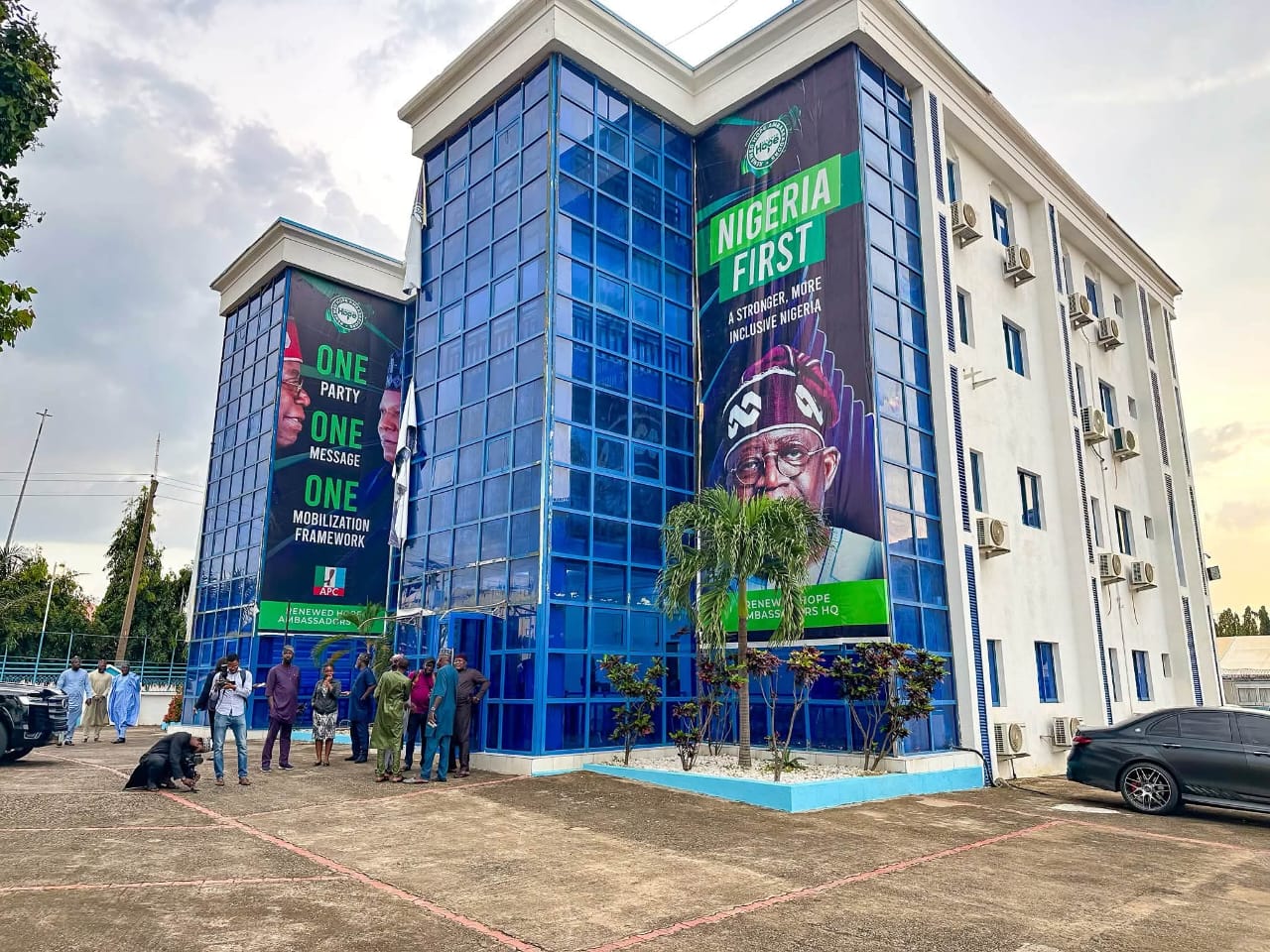
The All Progressives Congress (APC) has taken another step towards its preparations for the 2027 presidential election with the unveiling of its National Presidential Campaign Council headquarters in Abuja.
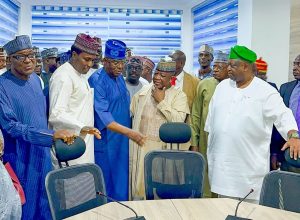
The unveiling brought together senior party leaders, elected officials, stakeholders, and APC members, signalling the start of a more structured phase of political mobilisation ahead of the next presidential contest.
Representing Rt. Hon. Ahmed Idris Wase, CON, Deputy Speaker of the 9th House of Representatives, was represented at the event by Hon. Yakubu Datti. His presence placed Wase among the political stakeholders represented at an occasion focused on strengthening the party’s organisation ahead of the 2027 election.
The event drew the Director-General of the Presidential Campaign Council, Senator Abdulaziz Yari, Plateau State Governor Caleb Mutfwang, and other prominent APC leaders and stakeholders.
Unveiling a dedicated campaign headquarters is an important organisational step for any major political party preparing for a presidential election.
While the event itself does not determine the outcome of the 2027 contest, establishing campaign structures gives a party a platform to coordinate political activities, communicate with supporters, and organise stakeholders across the country.
For the APC, the development comes as political parties increasingly turn their attention towards the next general election cycle. Presidential campaigns in Nigeria typically involve extensive coordination among national party officials, state structures, elected representatives, grassroots organisations and other political actors.
The new headquarters is therefore expected to serve as a key centre for coordination as the party develops its election strategy.
Hon. Yakubu Datti represented Ahmed Idris Wase at the Abuja event, joining other stakeholders in expressing support for the APC’s continued growth and electoral objectives.
Wase, a former Deputy Speaker of the House of Representatives, remains a notable political figure from Plateau State and within Nigeria’s wider political landscape. His representation at the unveiling reflects continued engagement with the party’s activities as preparations for 2027 gather momentum.
Datti’s participation also provided an opportunity for Wase’s political camp to be represented alongside senior party figures at an event centred on the APC’s presidential campaign organisation.
However, the representation should be viewed in the broader context of political mobilisation rather than as an indication of any particular electoral outcome. With the 2027 election still ahead, the significance of such events lies largely in organisation, coordination and the ability of political parties to consolidate their structures.
The presence of Senator Abdulaziz Yari, Director-General of the Presidential Campaign Council, added senior-level representation to the occasion.
Yari is expected to play a central role in coordinating the council’s activities as the APC develops its campaign machinery. The involvement of senior party figures at the unveiling also underscores the importance the party attaches to establishing an effective organisational framework for the coming election.
Plateau State Governor Caleb Mutfwang was also among the dignitaries at the event.
The participation of governors and other political stakeholders can be particularly important during election preparations because state-level political structures often play a significant role in grassroots mobilisation and voter engagement.
However, the campaign structure’s effectiveness will ultimately depend on more than opening an office. Its ability to coordinate party interests, maintain internal cohesion, communicate effectively with voters and respond to political developments will be central to its success.
The 2027 presidential election is expected to generate intense political competition as Nigeria’s major political parties seek to strengthen their national structures and appeal to voters.
For the APC, early organisation provides an opportunity to consolidate its existing political network while identifying areas where additional mobilisation may be required.
Campaign headquarters traditionally serve several purposes, including coordinating campaign activities, engaging stakeholders, communicating, managing logistics, and planning strategy. A well-organised structure can help a political party translate national objectives into coordinated activities at state and grassroots levels.
At the same time, political mobilisation comes with significant challenges. Parties must manage competing stakeholder interests while maintaining unity and ensuring campaign messages address the concerns of ordinary Nigerians.
Issues such as the economy, security, employment, infrastructure, governance and the cost of living are likely to influence voter attitudes as the country moves closer to the 2027 elections.
Consequently, the APC’s campaign organisation will face the task of combining political mobilisation with a clear explanation of its policies, achievements and future agenda.
Following the unveiling, stakeholders reiterated their commitment to the APC’s growth, unity and success.
Maintaining internal cohesion will be particularly important as political activities intensify. Major elections often bring competing ambitions and strategic interests within political parties, making effective coordination essential.
The unveiling of the campaign headquarters gives the APC a physical and organisational base from which to pursue its electoral plans. The larger test, however, will be how effectively the party uses the structure to build consensus, mobilise supporters and present a compelling message to Nigerians.
For voters, the most important consideration will ultimately be what political parties offer beyond campaign events and organisational announcements.
As preparations for 2027 continue, Nigerians are likely to pay closer attention to the programmes, policies, candidates and leadership promises presented by the competing political parties.
The Abuja unveiling therefore represents an early milestone in what is expected to be a lengthy political process. As the APC begins to formalise its presidential campaign structure, the political atmosphere around the 2027 election is set to become increasingly active in the months ahead.
