




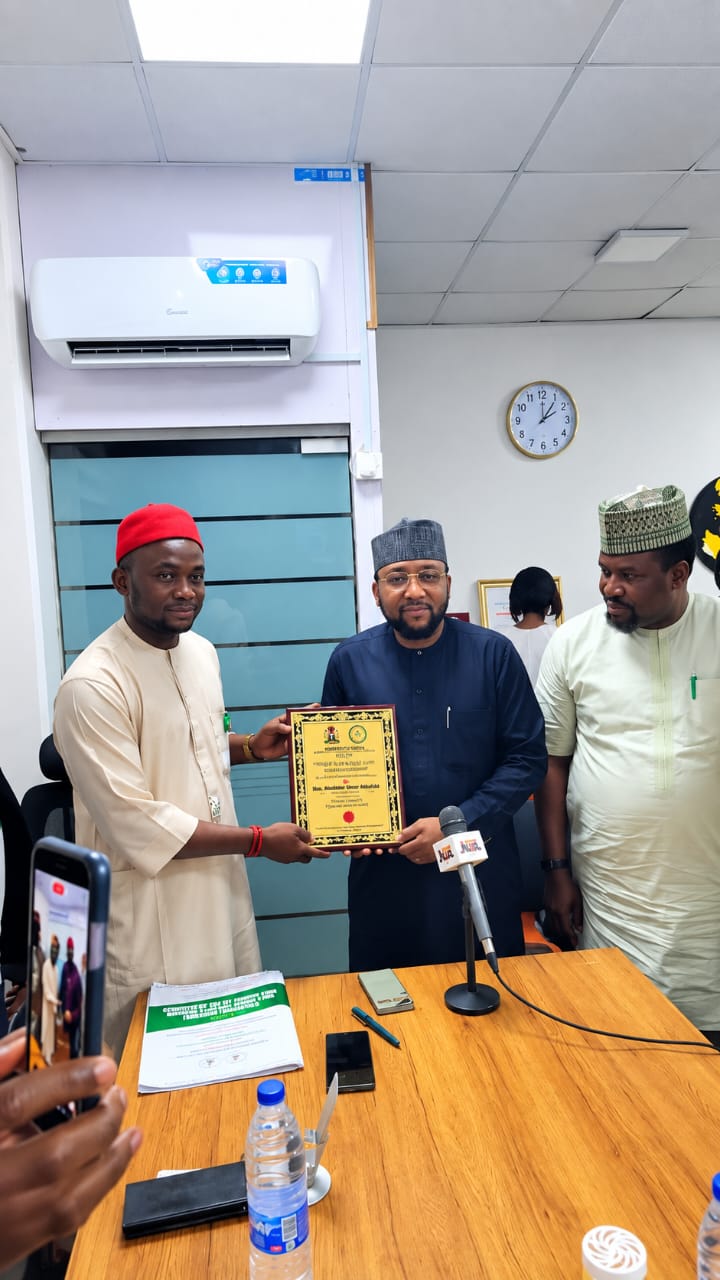
The Committee of Youth on Mobilisation and Sensitisation, CYMS, has presented an Award of Excellent Performance to the Executive Chairman of Abaji Area Council in the Federal Capital Territory, Abubakar Umar Abdullahi, while renewing its campaign for stronger local government autonomy across Nigeria.
The award was presented during a mentorship and stakeholder engagement session in Abuja, where CYMS Director-General, Chief Obinna Nwaka, said the recognition was based on what the organisation described as Abdullahi’s contributions to grassroots development, youth empowerment and community-focused governance. CYMS cited interventions in education, healthcare, agriculture, infrastructure and community welfare among the reasons for the honour.
Abdullahi is the current chairman of Abaji Area Council, one of the six area councils in the Federal Capital Territory. He was returned to office in the February 2026 FCT Area Council elections after securing 15,535 votes, according to results announced by the Independent National Electoral Commission and reported by Premium Times.
Speaking during the engagement, Nwaka said effective local government administration remains important because councils are the tier of government closest to many Nigerians.
He said communities depend heavily on councils for basic services and argued that stronger local institutions could improve responses to residents’ everyday needs.
CYMS stressed that its award represented its own assessment of Abdullahi’s performance rather than an independent audit of the council’s record.
The organisation also said it would continue engaging policymakers and stakeholders on ways to strengthen local government institutions and create more opportunities for young Nigerians to participate in governance.
Responding, Abdullahi reflected on his political journey and legal challenges connected with previous electoral contests, saying the experiences taught him the value of diligence, commitment and close attention to important matters.
He also encouraged young Nigerians interested in leadership to develop competence, discipline, and a clear sense of purpose rather than waiting for political opportunities to arise.
According to CYMS, the chairman said his administration had sought to involve young people through appointments, empowerment initiatives and other youth-focused programmes.
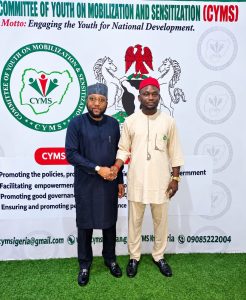
A major issue raised during the meeting was local government autonomy.
Abdullahi argued that stronger authority at council level could improve the delivery of roads, primary healthcare, education and other community services because local officials are closer to residents and understand local priorities.
The debate over local government autonomy has been prominent nationwide since a July 2024 Supreme Court decision affirming local governments’ financial rights. President Bola Tinubu welcomed that ruling at the time, saying elected local officials should have control over resources meant for their councils and be held accountable for service delivery.
Implementation, however, has remained an issue. In December 2025, Tinubu again urged state governors to comply with the Supreme Court judgment on local government financial autonomy, indicating that the extent to which the ruling is being implemented remained unresolved.
CYMS said greater autonomy could make local councils more effective in grassroots development, although autonomy by itself does not guarantee improved services. Funding would still need to be accompanied by transparent budgeting, proper oversight, competent administration and accountability to residents.
Director of Contacts and Mobilisation at CYMS, Kelechi Ugwumba, called for closer collaboration between the organisation and Abaji Area Council through mentorship, sensitisation and stakeholder engagement.
The organisation believes involving more young people in community governance can help develop future leaders while giving younger Nigerians a stronger voice in decisions affecting their communities.
That message is particularly relevant because many public services that directly affect families begin at the grassroots level.
The debate over local government autonomy is important because councils are responsible for services that affect daily life, from local roads and markets to sanitation, primary healthcare and community development.
Giving councils greater financial control could allow them to respond more directly to local priorities. However, greater control also places additional responsibility on council chairmen, councilors and administrators to demonstrate how public funds are spent.
For residents, the important question is therefore not simply whether councils receive more autonomy, but whether that autonomy produces better roads, functioning health centres, improved schools, economic opportunities and accountable government.
The CYMS engagement in Abaji brings both sides of that discussion together: recognition of local leadership and renewed demands for a system that gives councils greater capacity while requiring them to deliver measurable results.
